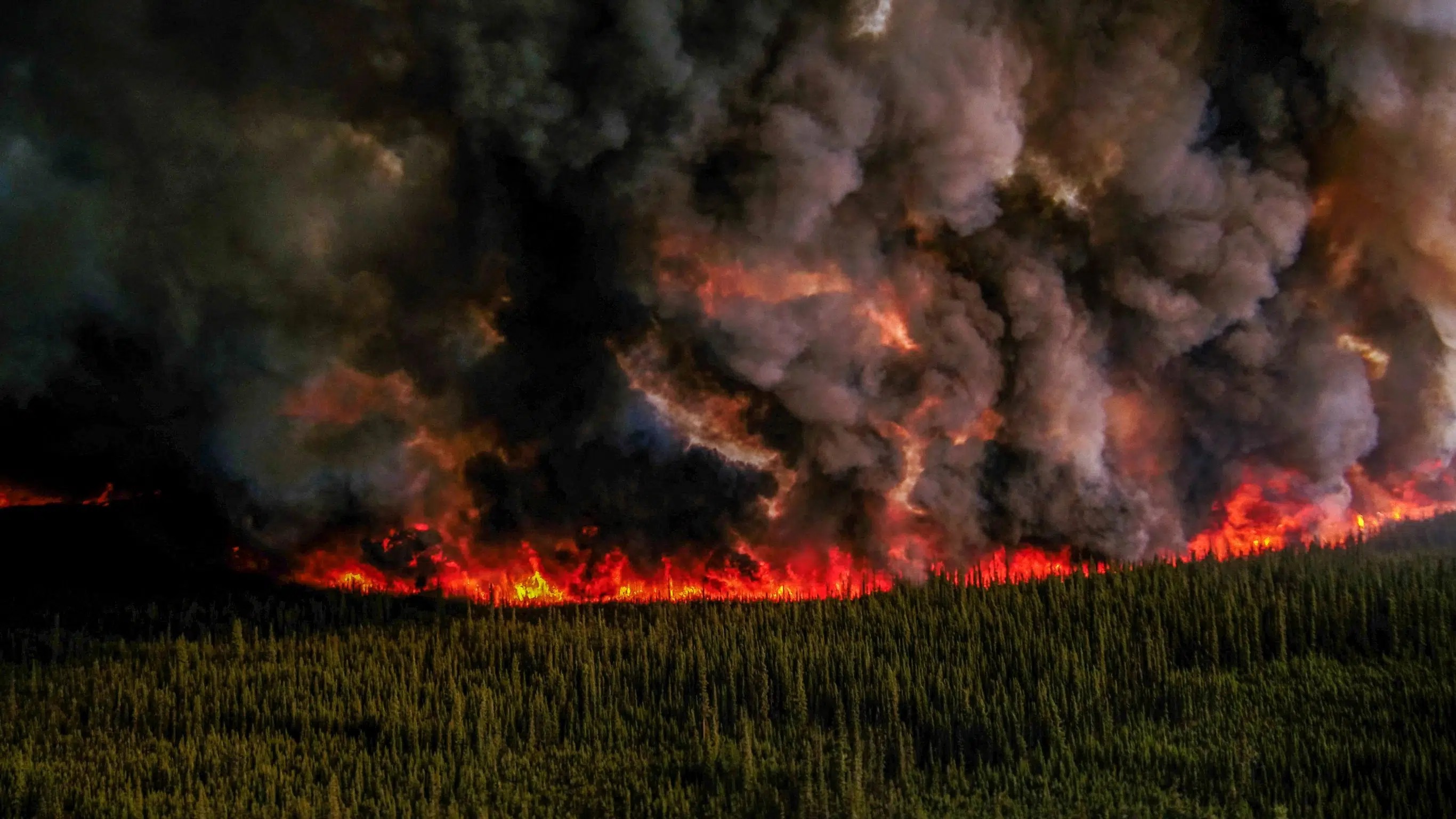
In a report launched Aug. 24, Federal Housing Advocate Marie-Josée Houle, is calling for new measures to better protect First Nations communities experiencing climate-driven emergencies and wildfires.
Maintaining the Right to Housing in a Changing Climate was published in collaboration with the Assembly of First Nations (AFN), and points to systemic gaps in emergency responses that threaten the safety, dignity, and right to housing of First Nations communities.
Following the 2025 wildfire season that impacted 134 First Nations and led to over 40,000 people being evacuated, Houle and the AFN began to explore the intersections of climate change, emergency management and the right to housing.
Houle and the AFN heard from First Nations leaders, experts, and rightsholders with lived experience of evacuation and displacement.
The report says current emergency systems do not work for First Nations’ communities and they are reactive and focused on evacuation and recovery, instead of prevention and long-term resilience.
At the same time, First Nations are operating in a context of systemic underfunding and lack of self-determination, including in the area of housing.
The report says taken together, these conditions put people at greater risk and make it difficult to ensure safe, adequate housing – before, during, and after emergencies.
The experiences documented in the report point to a failure to uphold First Nations citizens’ fundamental rights, including to adequate housing according to Houle.
Many evacuations occurred in remote First Nations communities with severe housing and infrastructure gaps that make them more vulnerable to displacement – from overcrowded housing and homes in need of major repair, to limited infrastructure for fire prevention and response.
Meanwhile, evacuees said they experienced unsafe evacuation conditions, separation from family, and an absence of cultural supports.
With indefinite timelines to restore their homes to safety or return to their communities, many evacuees faced housing precarity and increased risks of homelessness.
The report makes 10 recommendations to prioritize what First Nations need to protect their communities.
They include a focus on taking climate action, improving the full spectrum of emergency management and preparedness, including First Nations as full partners in planning and coordinating emergency responses for their communities, and ensuring resilient and adequate housing and infrastructure.
Despite many challenges, there are powerful examples of Indigenous-led solutions that can guide national practice.
Houle is calling for a transformation towards approaches that are preventative, rights-based, and grounded in First Nations leadership and ways of knowing to future-proof communities and ensure everyone can have adequate housing in a changing climate.
To read the full report and its recommendations, click here.





Comments